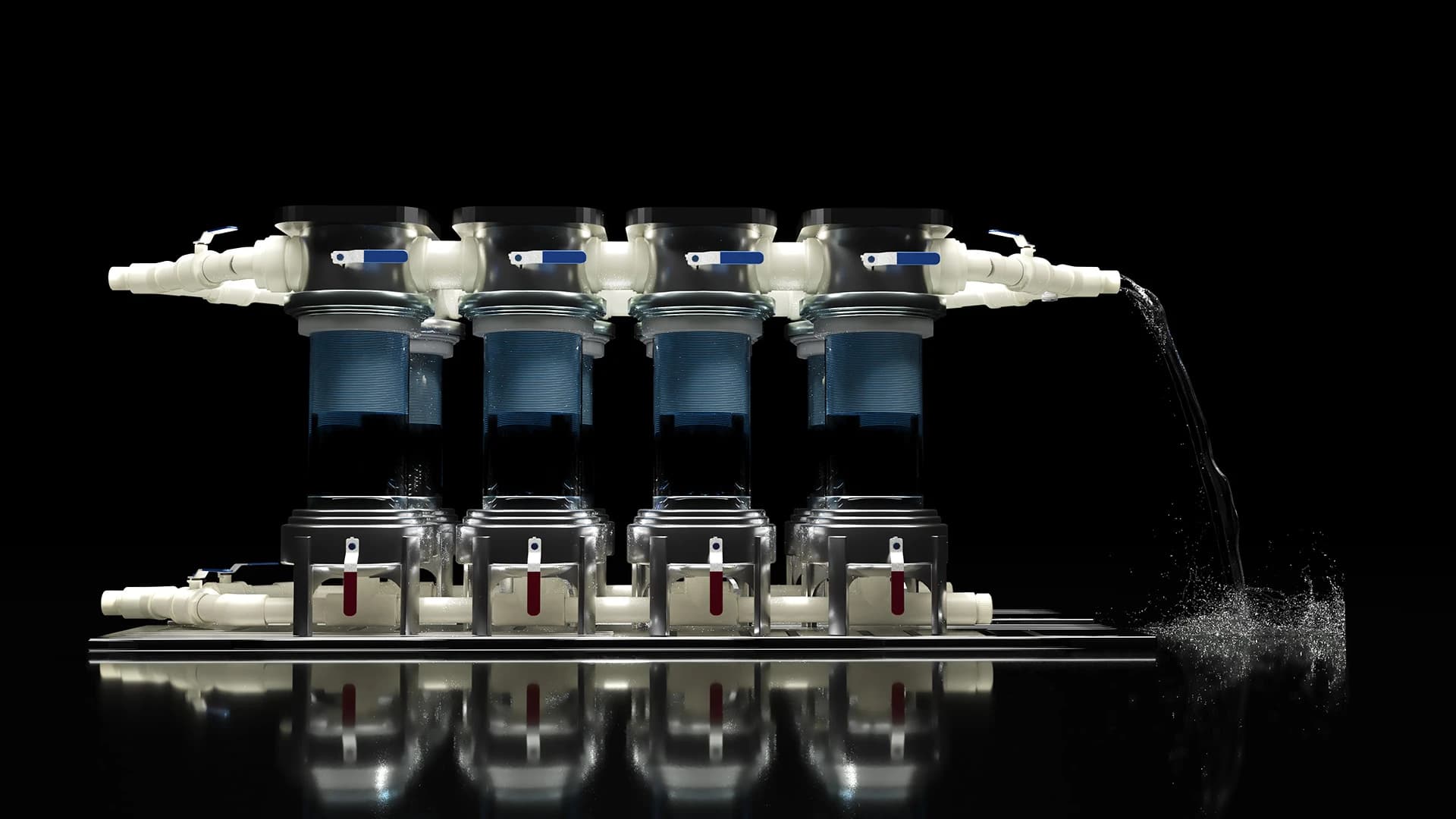
Remote Water Filtration: Concept Design & Visualization
Some products exist to solve problems that most people never have to think about. Clean water in remote locations—disaster zones, expeditionary operations, off-grid communities—isn't a convenience. It's survival infrastructure. This project visualized a modular filtration system designed for exactly those conditions: deployable, scalable, and engineered to function where traditional infrastructure doesn't exist. Our role was translating engineering specifications into visual assets that communicated both technical sophistication and operational clarity. The renders needed to serve multiple purposes. For engineering teams, they validated form factor and assembly logic before prototyping. For stakeholders, they demonstrated capability and deployment scenarios. For potential partners and funders, they made an abstract specification sheet tangible and investable. We built the visualization from technical documentation—CAD references, flow diagrams, material specifications—ensuring every component, connection, and proportion was accurate. The result is a visual system that explains what the product is, how it works, and why it matters, without requiring the viewer to parse engineering drawings.
Visualizing technical products for non-technical audiences requires a specific kind of translation. Engineers think in tolerances and flow rates. Decision-makers think in outcomes and deployment scenarios. The visualization needed to bridge both—accurate enough for technical review, clear enough for executive understanding. The additional challenge was context. A filtration system sitting on a white background is just hardware. The same system shown providing clean water in a remote field environment becomes a solution. We needed to visualize not just the product, but the problem it solves.
We developed the visualization in two phases: Technical Product Renders Photorealistic renders of the filtration system showing construction, materials, and assembly. These studio-style images—clean backgrounds, controlled lighting, precise detail—served engineering validation and technical documentation needs. Component callouts and exploded views helped communicate internal systems without requiring CAD software to understand. Contextual Deployment Visualization Renders showing the system in operational environments: remote field deployment, mobile integration, and austere conditions. These images told the story of what the product does, not just what it is. They became the foundation for pitch materials, grant applications, and partnership conversations.
The visualization package gave the client assets that worked across every conversation—from engineering reviews to investor meetings to humanitarian organization briefings. The product became real in stakeholders' minds before the first prototype was built. The technical accuracy of the renders meant they remained valid as the project progressed—no embarrassing gaps between "what we showed" and "what we built." And the contextual imagery provided ready-made content for presentations, websites, and promotional materials as the product moved toward market.
More Projects
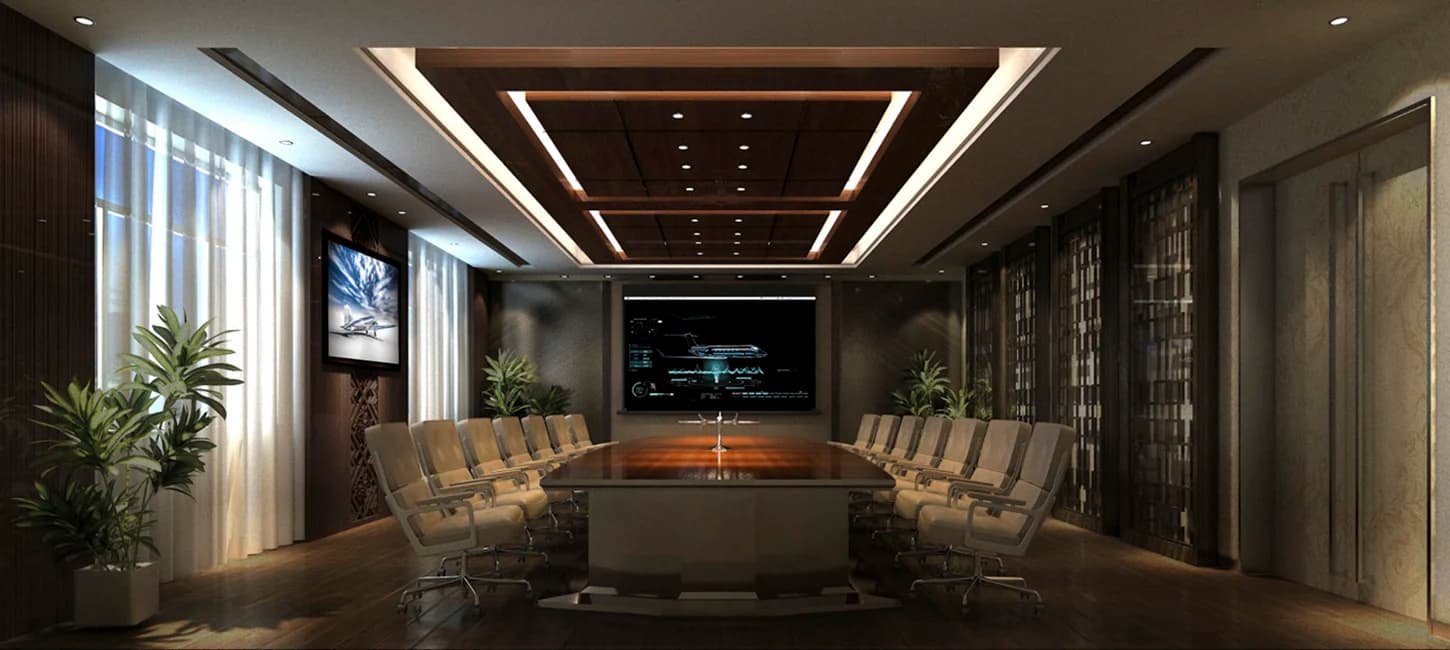
Aviation Hangar Complex: Investor Visuals & Concept Design
Investor pitch materials and architectural visualization for a 59,000 sq ft aviation hangar complex—exterior renders, interior concepts, and presentation assets that helped secure development funding.
constraint: NDA / ITAR sensitive. Full details on request.
Guardian: Anti-Trafficking Education & Reporting Platform
Mission-driven platform combining AI threat detection with family education resources to combat child trafficking. Features secure reporting, interactive awareness content, and community tools.
constraint: NDA / ITAR sensitive. Full details on request.
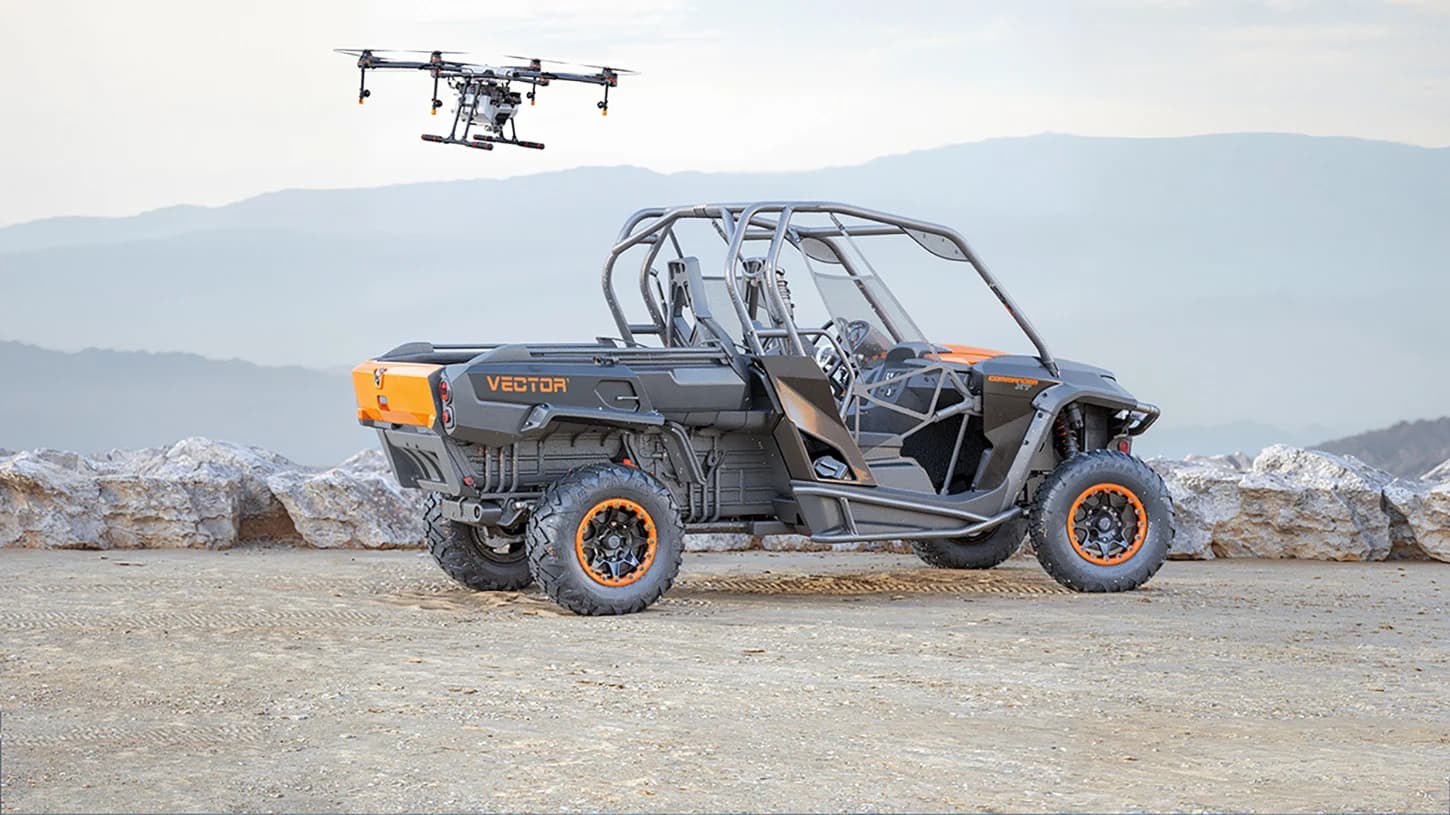
Aerospace Defense Systems: Brand & Concept Visualization
Brand identity, concept visualization, and promotional materials for a defense contractor specializing in custom drone systems, surveillance technology, and aircraft support for government programs.
constraint: NDA / ITAR sensitive. Full details on request.