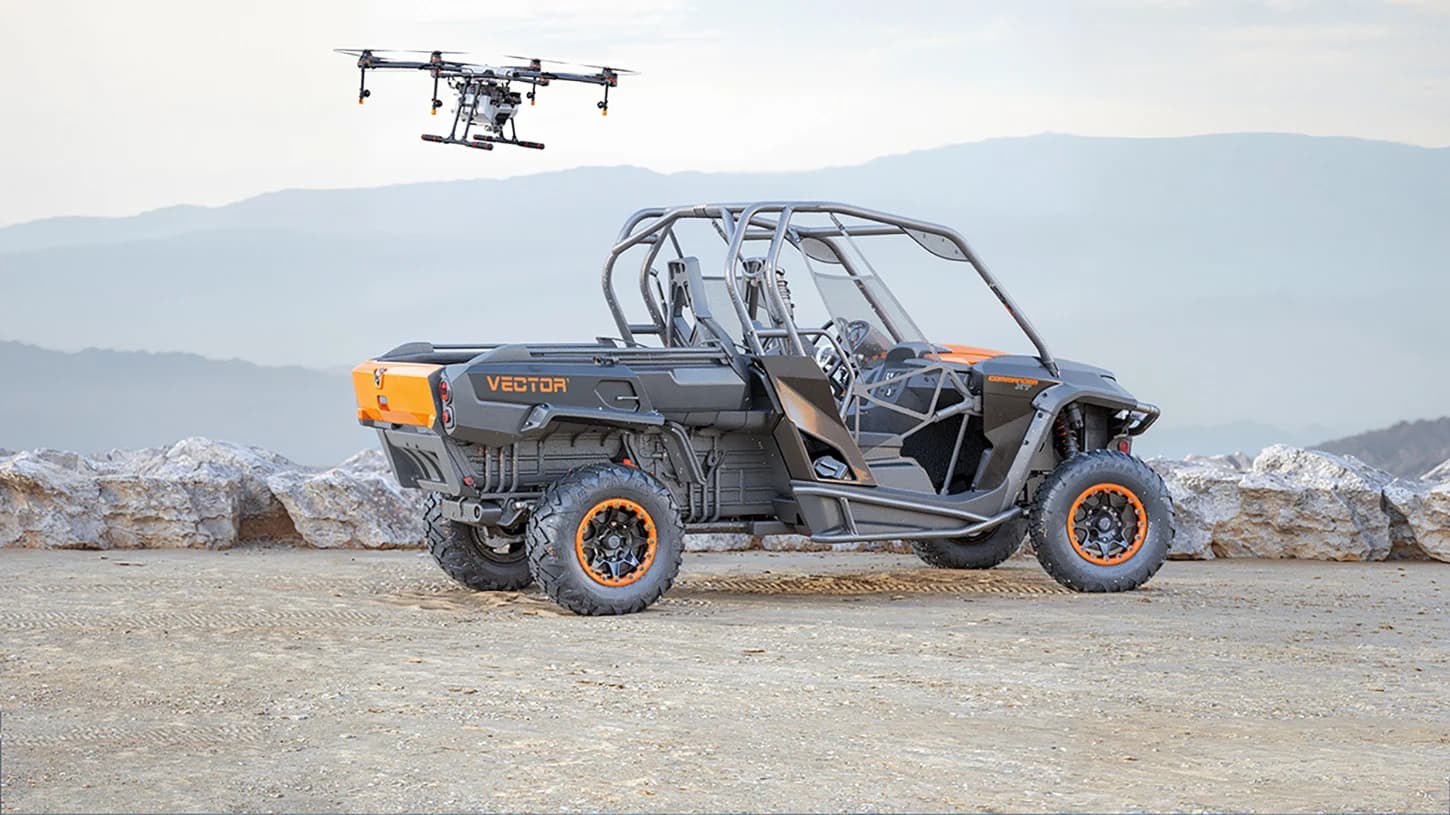
Aerospace Defense Systems: Brand & Concept Visualization
Defense contractors face a unique communication challenge: their most impressive capabilities often can't be shown. Classification levels, operational security, and client confidentiality mean that marketing materials must convey sophistication and credibility without revealing specifics. This engagement supported a company specializing in custom drone systems, surveillance platforms, and aircraft support services for government programs. They needed a complete visual identity and promotional system that could travel from classified briefing rooms to trade show floors to procurement portals—earning trust at every stop. We developed a brand identity that signaled technical seriousness without defaulting to the aggressive military aesthetics that saturate the sector. The visual language balanced authority with precision: clean, confident, engineered. It positioned the company as a capable prime contractor, not another small vendor chasing subcontracts. Concept visualization brought their drone platforms and surveillance systems to life in contexts that demonstrated capability without compromising security. These renders served as the backbone for pitch presentations, capability briefs, and promotional materials—allowing decision-makers to see operational potential before programs moved to production. The result was a cohesive system that elevated every client touchpoint, from first impression to contract award.
Project Gallery
Government contracting demands a specific kind of credibility. Procurement officers and program managers evaluate dozens of vendors, and the companies that look professional get taken seriously. The ones with outdated websites and clip-art presentations get filtered out before the conversation starts. The client had genuine technical capability—custom drone development, integrated surveillance systems, aircraft modification and support—but their market presence didn't reflect it. They needed materials sophisticated enough for classified briefings and versatile enough for public-facing trade shows. And everything had to work within the constraints of what could actually be shown.
We approached this as three integrated workstreams: Brand Identity Developing a visual system that communicated defense-sector credibility without cliché. The identity balanced technical precision with approachability—serious enough for a SCIF briefing, polished enough for a conference booth. Logo, typography, color system, and graphic language all reinforced the same positioning: capable, precise, trustworthy. Concept Visualization Creating photorealistic renders of drone platforms and surveillance systems in operational contexts. These visualizations showed capability without revealing classified specifics—demonstrating form factor, deployment scenarios, and integration potential. Each render was built to withstand scrutiny from technical evaluators while remaining compelling to program decision-makers. Promotional Materials Building a complete presentation system: capability briefs, program-specific pitch decks, trade show displays, and digital assets. Every piece maintained visual consistency while flexing to different contexts and classification levels. Materials were designed for both live presentation and leave-behind review, knowing that procurement decisions often happen long after the meeting ends.
The refreshed brand and materials system supported successful contract pursuits across multiple government programs. The company entered competitive bids with materials that matched or exceeded those of much larger primes—eliminating the "small vendor" perception that had limited previous pursuits. Trade show presence transformed from forgettable booth to memorable brand experience. The concept visualizations became versatile assets, repurposed across capability briefs, website content, and program-specific proposals. And the systematic approach meant new materials could be developed quickly as opportunities emerged, maintaining consistency without starting from scratch.
More Projects
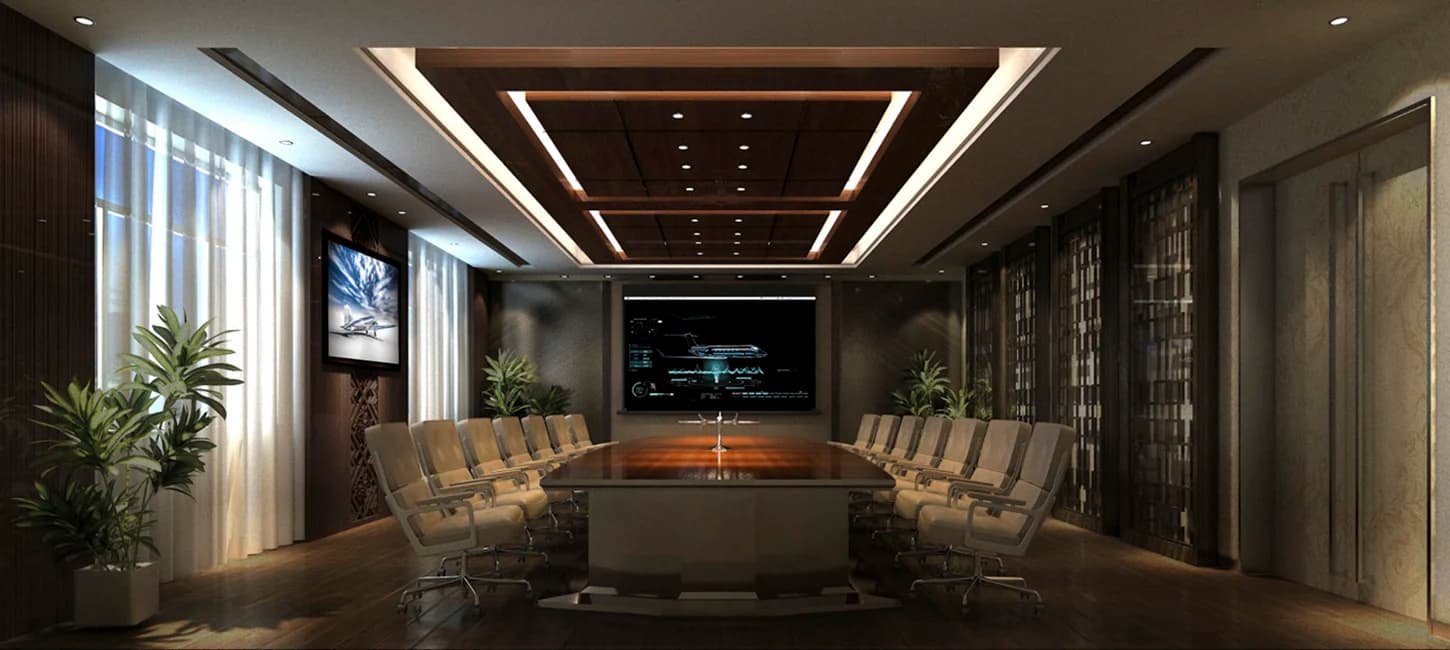
Aviation Hangar Complex: Investor Visuals & Concept Design
Investor pitch materials and architectural visualization for a 59,000 sq ft aviation hangar complex—exterior renders, interior concepts, and presentation assets that helped secure development funding.
constraint: NDA / ITAR sensitive. Full details on request.
Guardian: Anti-Trafficking Education & Reporting Platform
Mission-driven platform combining AI threat detection with family education resources to combat child trafficking. Features secure reporting, interactive awareness content, and community tools.
constraint: NDA / ITAR sensitive. Full details on request.
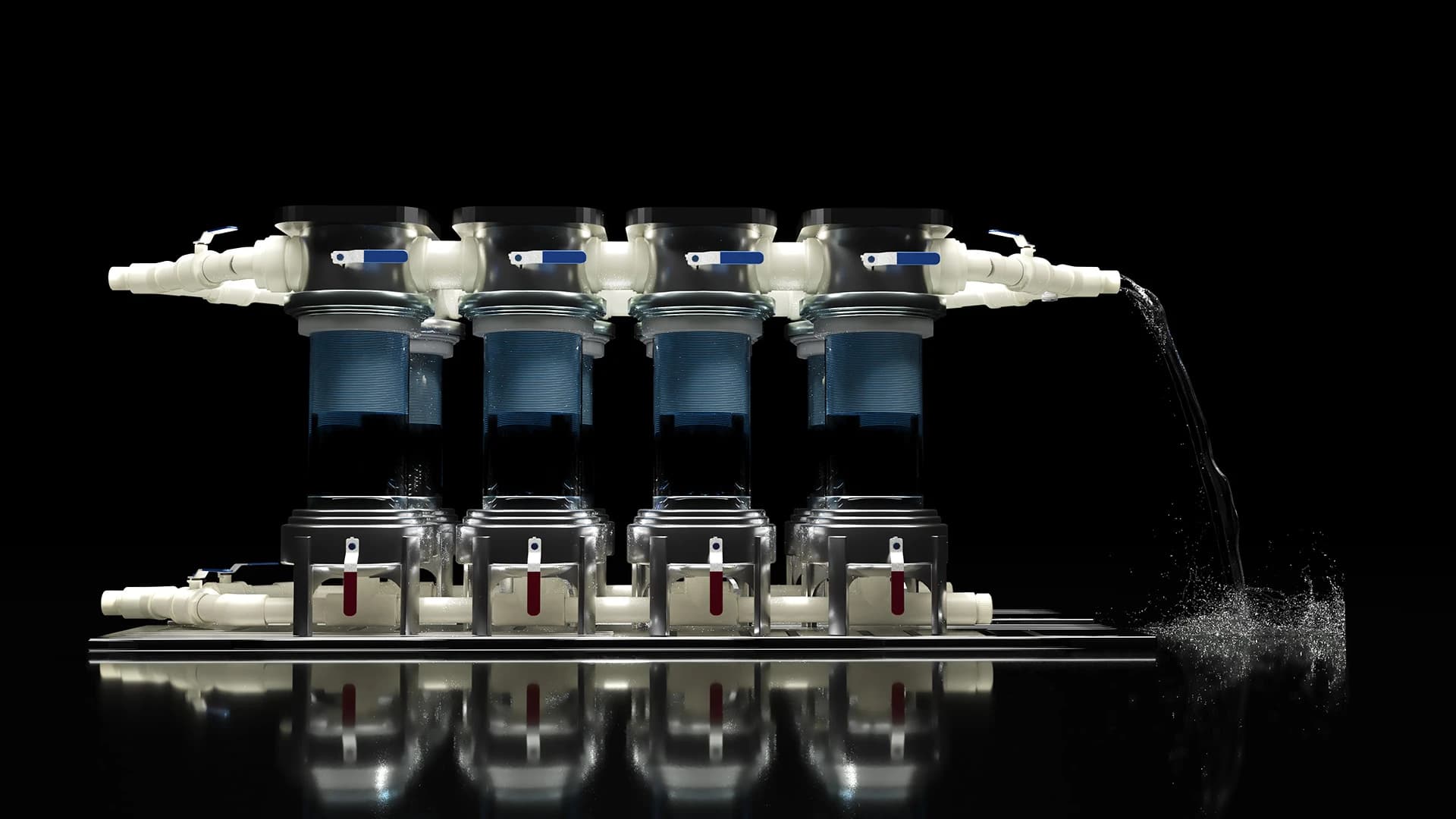
Remote Water Filtration: Concept Design & Visualization
Concept design and product visualization for a modular water filtration system engineered to deliver clean water in remote and austere environments—from engineering specs to photorealistic renders.
constraint: NDA / ITAR sensitive. Full details on request.