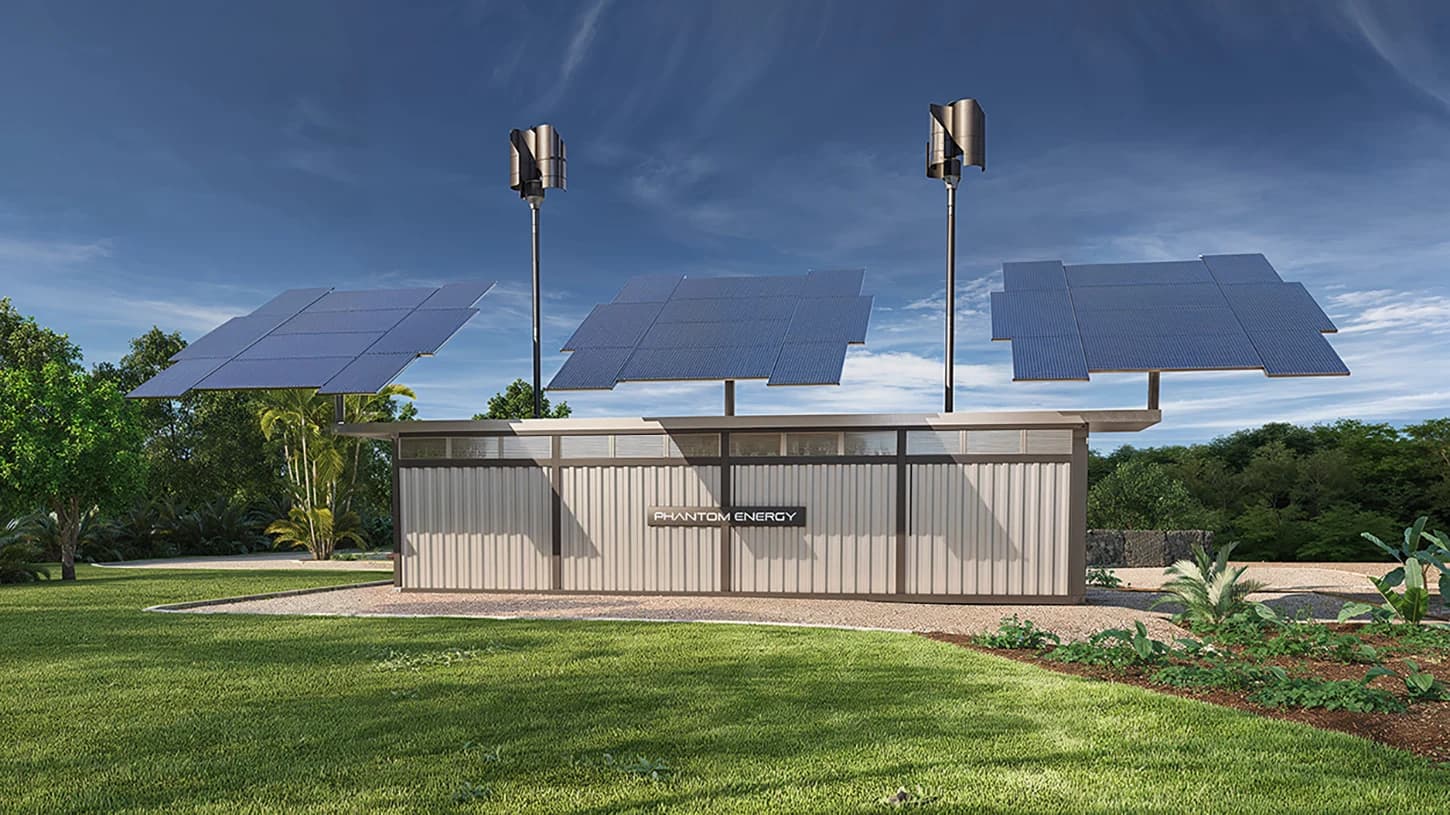
Mobile Energy Infrastructure: Concept to Production
This engagement began at the earliest possible stage: an idea, engineering ambitions, and a gap between vision and market. What followed was a full-service program spanning every discipline we offer—concept visualization, brand development, investor materials, interface design, technology integration, and hands-on project management. This wasn't a series of disconnected deliverables. It was a unified program where each workstream informed the others. The concept designs shaped the brand identity. The brand identity elevated the pitch deck. The pitch deck drove investor conversations that funded the technology we then helped integrate. And project management kept all of it synchronized across a distributed team building something that didn't exist yet. The BESS units themselves—containerized battery energy storage systems designed for rapid deployment and modular scaling—represented genuine engineering innovation. Our job was to ensure every other aspect of the business matched that ambition: visuals sophisticated enough to command attention, materials persuasive enough to close funding, interfaces intuitive enough to operate in the field, and coordination tight enough to keep production on schedule.
Project Gallery
Building a company and a product simultaneously creates compounding complexity. Every decision cascades: the brand influences how investors perceive the technology, the pitch deck shapes the funding that enables production, the production timeline determines interface requirements, and the interface affects operational adoption. The team needed more than vendors—they needed a partner who could hold the full picture while executing on specifics. Someone who understood that a beautiful render is worthless if the pitch deck doesn't close, and a funded company fails if the product can't be manufactured or operated. The additional challenge was timeline compression. Energy markets move fast, and the window between concept and market presence was narrow.
We embedded as an extension of the core team, operating across five integrated workstreams: Concept Design & Visualization Translating engineering specifications into photorealistic renders before physical prototypes existed. These visualizations served triple duty: internal decision-making tools, investor presentation assets, and marketing collateral. Every configuration—single container, multi-unit arrays, trailer-mounted deployments—was rendered at fidelity levels suitable for large-format trade show displays. Brand Identity & Messaging Building a visual and verbal identity that positioned the venture as serious infrastructure, not another energy startup. The brand system encompassed logo, typography, color architecture, and messaging frameworks that carried through every touchpoint—from business cards to booth graphics to the product interface itself. Investor Materials Designing pitch decks that translated technical capability into investment narrative. These weren't template presentations; they were custom-built decision tools engineered for the specific rooms they'd be presented in. Supporting materials included one-pagers, financial visualization frameworks, and leave-behind collateral. Control Interface Design Creating the user interface for BESS unit operation—the screens that field technicians and facility managers would use to monitor, configure, and maintain the systems. This required balancing information density with usability, designing for both expert users and occasional operators. Technology Integration & Project Management Coordinating across vendors, manufacturers, and internal teams to keep production on track. This included technology partner evaluation, integration specifications, timeline management, and the operational orchestration that turns a product concept into units in the field.
We embedded as an extension of the core team, operating across five integrated workstreams: Concept Design & Visualization Translating engineering specifications into photorealistic renders before physical prototypes existed. These visualizations served triple duty: internal decision-making tools, investor presentation assets, and marketing collateral. Every configuration—single container, multi-unit arrays, trailer-mounted deployments—was rendered at fidelity levels suitable for large-format trade show displays. Brand Identity & Messaging Building a visual and verbal identity that positioned the venture as serious infrastructure, not another energy startup. The brand system encompassed logo, typography, color architecture, and messaging frameworks that carried through every touchpoint—from business cards to booth graphics to the product interface itself. Investor Materials Designing pitch decks that translated technical capability into investment narrative. These weren't template presentations; they were custom-built decision tools engineered for the specific rooms they'd be presented in. Supporting materials included one-pagers, financial visualization frameworks, and leave-behind collateral. Control Interface Design Creating the user interface for BESS unit operation—the screens that field technicians and facility managers would use to monitor, configure, and maintain the systems. This required balancing information density with usability, designing for both expert users and occasional operators. Technology Integration & Project Management Coordinating across vendors, manufacturers, and internal teams to keep production on track. This included technology partner evaluation, integration specifications, timeline management, and the operational orchestration that turns a product concept into units in the field.
More Projects
Guardian: Anti-Trafficking Education & Reporting Platform
Mission-driven platform combining AI threat detection with family education resources to combat child trafficking. Features secure reporting, interactive awareness content, and community tools.
constraint: NDA / ITAR sensitive. Full details on request.
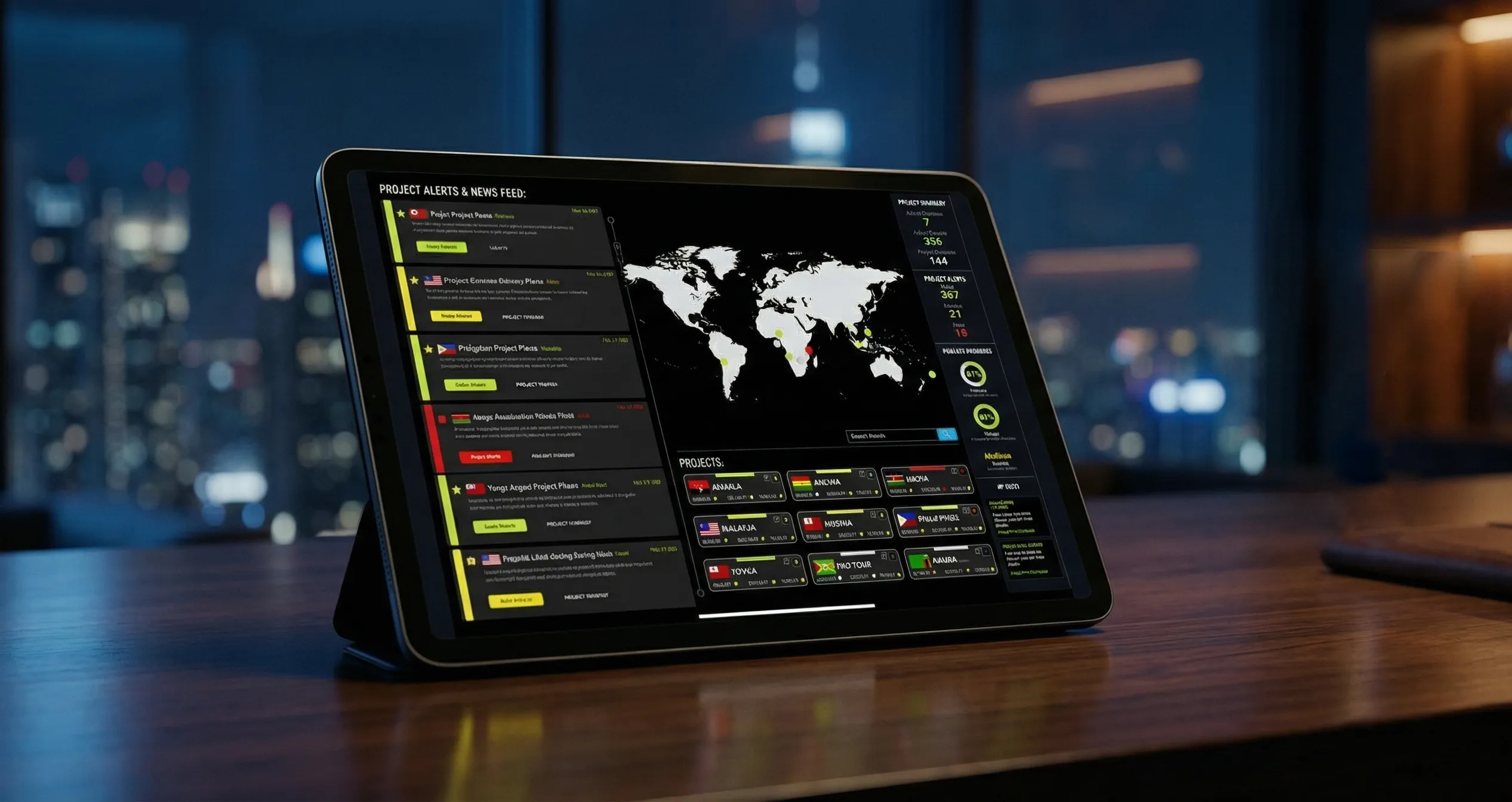
Fusion Cell: Family Office Command Platform
Customizable data portal for ultra-high-net-worth family offices. Team members upload operational data, the system parses and presents it in a clean, real-time executive dashboard.
constraint: NDA / ITAR sensitive. Full details on request.
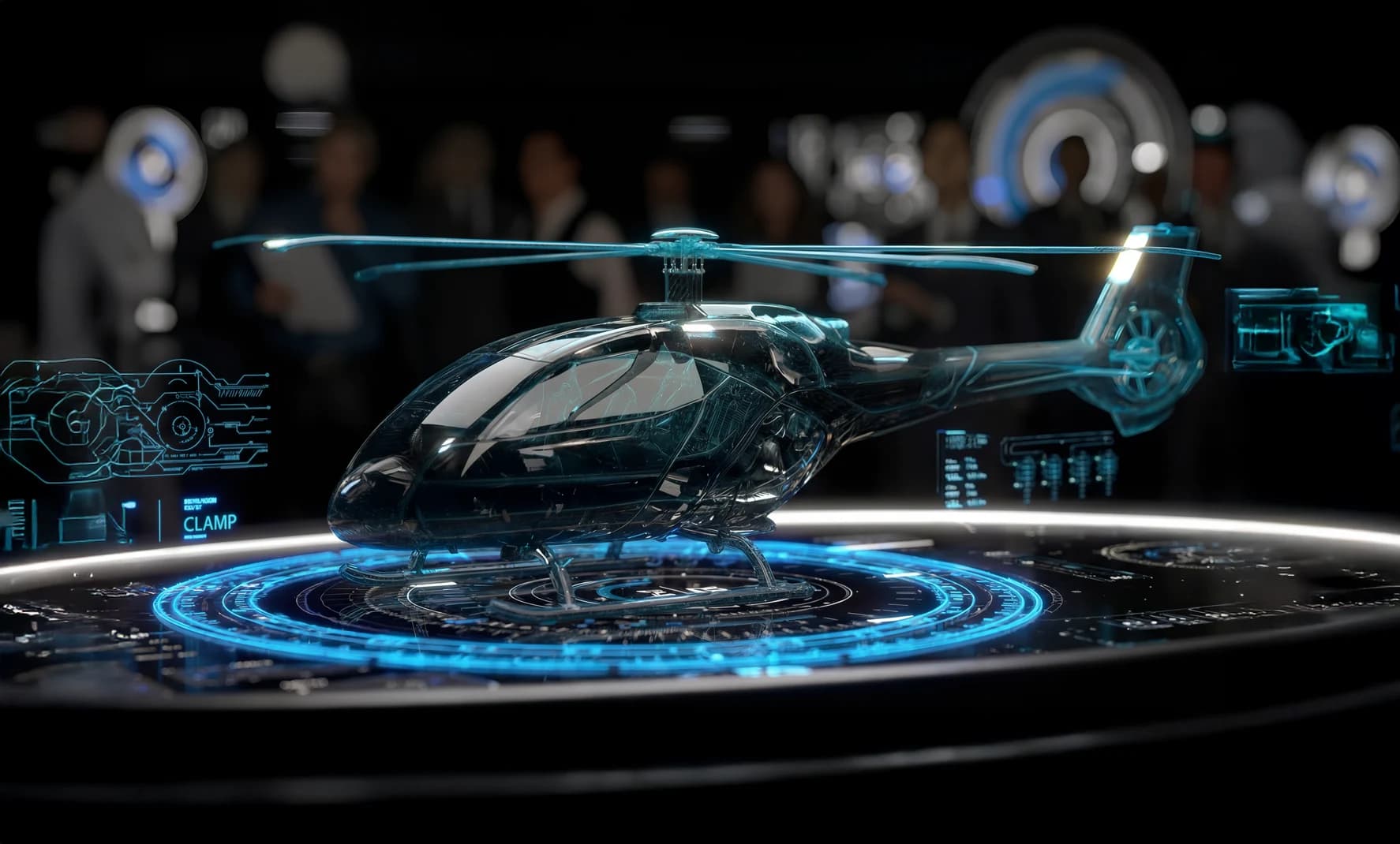
Global Aviation Marketing & Concept Visualization
Strategic pitch graphics and concept visualization for next-generation aircraft—bringing unrealized designs to life while building a visual language for global marketing campaigns.
constraint: NDA / ITAR sensitive. Full details on request.